
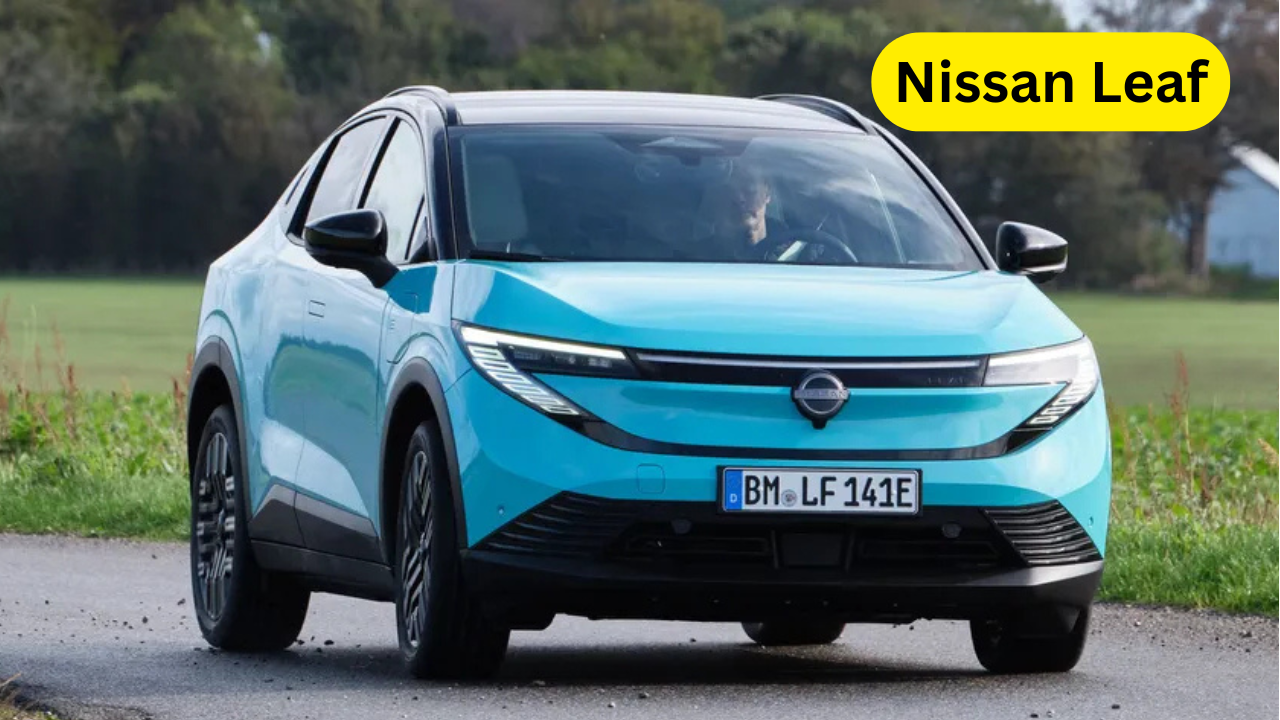
Nissan Leaf: There was a time when the Nissan Leaf wasn’t just another electric vehicle, it was the electric vehicle. Launched in 2010 as the world’s first truly affordable, mass-produced EV, the Leaf became a global pioneer, setting benchmarks for electric mobility and paving the way for the EV revolution. Over 700,000 units later, the Leaf remains one of the most successful battery-powered cars ever built. But with competition from Tesla, Kia, VW, and others growing fiercer by the day, Nissan knew that its flagship EV needed more than just a facelift, it needed a complete reinvention.
Enter the 2025 Nissan Leaf, a new-generation model that’s been redesigned from the ground up. It’s not merely a refresh; it’s a total rethinking of what the Leaf can be. Nissan’s mission was clear: build a family-friendly EV that’s just as capable on long journeys as it is on short city commutes, while enhancing efficiency, performance, and practicality. And by all accounts, they’ve nailed it.
This new Leaf is shorter yet taller than its predecessor, offering more cabin space and improved aerodynamics with a sleek 0.25 Cd drag coefficient. It’s more efficient, goes significantly farther on a single charge, recharges much faster, and offers a vastly upgraded interior experience. It’s no longer just a second car for city driving, it’s now a genuine contender as a family’s primary vehicle.
Performance and Driving Dynamics
The new Nissan Leaf might not be a drag-racing champion, it’s not trying to be. Instead, it delivers precisely what EV buyers want: a smooth, predictable, and enjoyable driving experience. The 75 kWh version sprints from 0–62 mph in 7.6 seconds, which is competitive for a front-wheel-drive EV in this segment.
The ride quality strikes a perfect balance between high-speed stability and low-speed comfort, while steering is precise and confidence-inspiring. It’s not a razor-sharp sports EV, but it grips well enough for spirited driving and offers a composed feel even when pushed through corners.
Design: Sleek, Timeless, and Distinctly Nissan
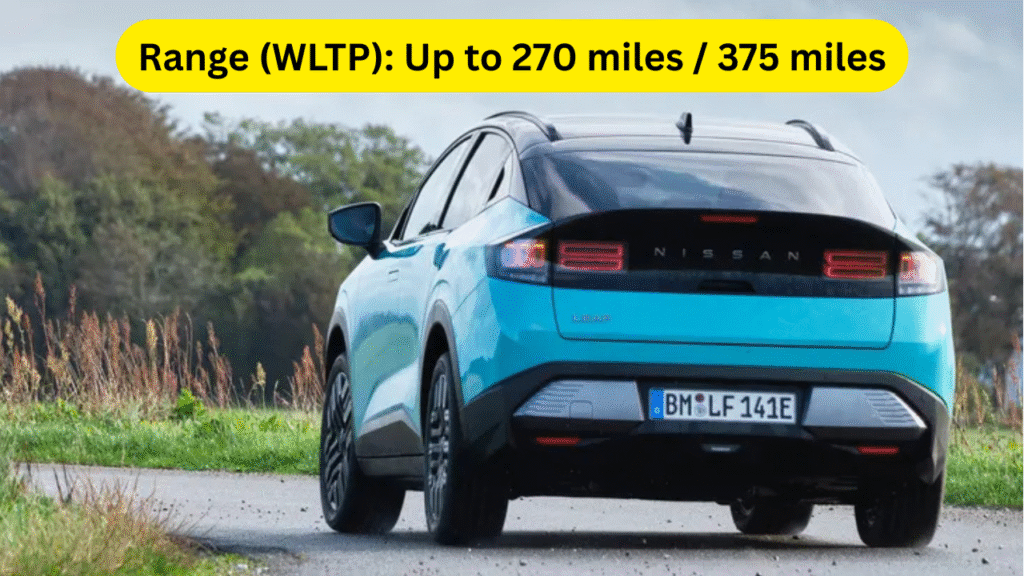
Nissan’s designers have taken a bold new direction with the Leaf’s exterior. The new model is clean, aerodynamic, and timeless, ditching the “blobby” design language of some rivals. Sharp LED lighting, sculpted surfaces, and a distinctive rear light signature give it a modern identity while subtle design cues like the Japanese numeral motif celebrate its heritage.
Interior: Modern, Minimalist, and Spacious
Inside, the Leaf’s transformation is even more striking. The cabin is calm, premium-feeling, and exceptionally user-friendly. High-quality materials, thoughtful ergonomics, and intuitive physical controls make it one of the best interiors in the segment. Rear passengers benefit from a flat floor and generous headroom, making it ideal for families or even commercial use, such as ride-hailing or taxi services. Cargo space is ample, and the flexible seating layout adds to the car’s day-to-day practicality.
Price and Launch Details
Nissan hasn’t announced final pricing yet, but the Leaf is expected to be competitively priced against rivals like the VW ID.3 and Kia EV4. The official reveal and global rollout are scheduled for early 2025, with European deliveries starting mid-2025 and Indian market entry likely in late 2025 or early 2026.
Also read: MG Cyberster: The Return of a Legendary Sports Car in a Futuristic EV Avatar
Conclusion Of Nissan Leaf 2025
The 2025 Nissan Leaf is more than just an update it’s a complete reinvention of one of the most influential EVs ever built. It’s clear that Nissan has listened to feedback from over a decade of real-world EV experience and responded with a product that’s more capable, efficient, and practical than ever before.
For families, it offers excellent space, range, and versatility. For commuters, it promises smooth performance, competitive charging times, and low running costs. And for EV skeptics, it delivers a balanced and intuitive driving experience that feels familiar yet futuristic.
FAQs About Nissan Leaf 2025
1. What is the range of the new Nissan Leaf?
The 2025 Nissan Leaf offers two battery options: a 52 kWh pack with up to 270 miles of range and a 75 kWh pack with up to 375 miles on the WLTP cycle. These figures make it one of the most efficient EVs in its class, thanks to improved aerodynamics, reduced rolling resistance, and a more efficient electrical system.
2. How fast can the Nissan Leaf charge?
With its new water-cooled battery system, the Leaf supports 150 kW DC fast charging, allowing a 10–80% charge in roughly 30 minutes on the larger battery version. This is a significant improvement over the previous generation, which maxed out at 50 kW and took over an hour for the same charge.